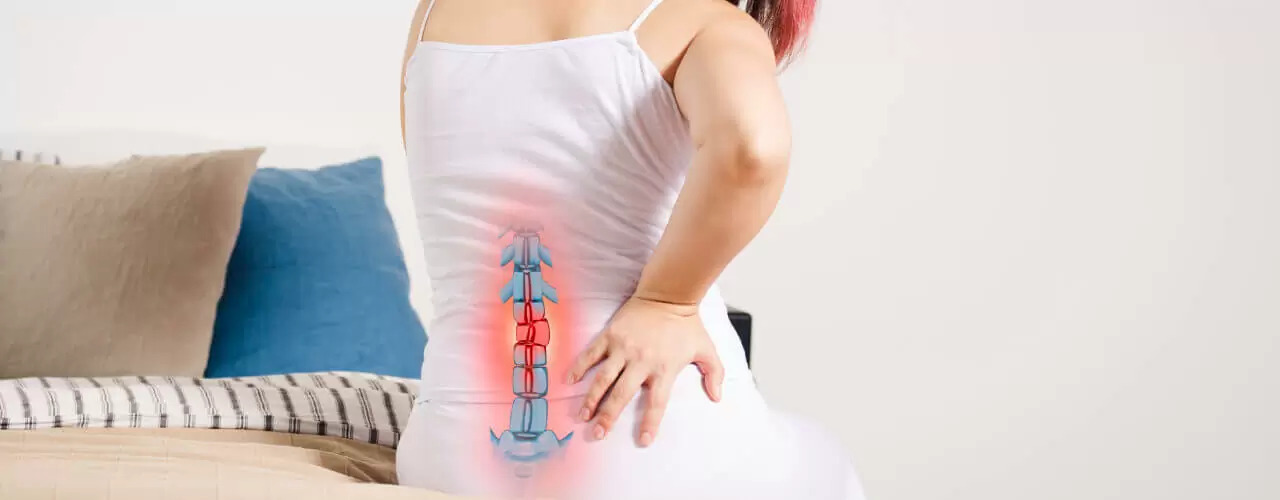




Are you suffering from lower back pain? If so, you know how debilitating it can be. It seems easy enough to take medication to ease the pain, but with over-dependence on prescription medication becoming a national epidemic, many people with lower back pain are looking for a simpler solution. According to a study published in BMC Health Services, physical therapy has been known to prevent habit-forming dependencies on prescription medication, and to reduce the overall health cost that a patient will have to pay for pain relief.
In fact, your physical therapist at Rehab Advantage & Sports Medicine will not only help relieve your lower back pain during your sessions, but they can also provide simple pain-relief strategies that you can carry into your daily life. Some of the best pain-reducing techniques that you can undertake both at home and during physical therapy include:
1. Find a natural balance between your rest and activity.
Bed rest is a common initial prescription for lower back pain in some cases. It is especially true if your pain comes from an injury or re-injury. In fact, resting while applying ice packs is a time-honored way of reducing swelling in the first day or two. However, for chronic lower back pain, moving around is a much better medicine than lying around. Physical activity releases your natural endorphins, which have both mood-lifting and pain-killing properties.
Of course, it is important not to overdo your workouts before consulting with your physical therapist. Keep it simple by taking a light walk or getting some household chores done, in order to limber up your back and release those helpful endorphins. If a brace helps in relieving your pain, wear it to support your lower back as you move.
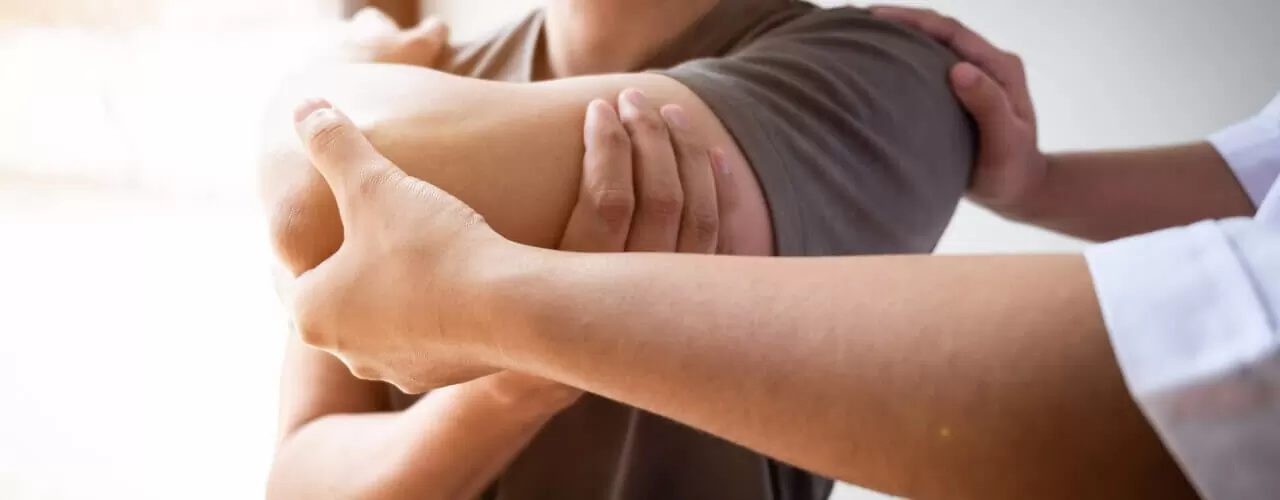
Physical therapy is an important exercise option. It delivers both the benefit of exercise and the watchful eye of a professional to make sure you are using proper technique and remaining sage. Your physical therapist can warn you about moves that risk re-injury and will work with you on both flexibility and strengthening moves. These exercises are meant to build up the muscles that support your spine, in order to ease pain on your lower back. They also help provide greater range-of-motion as you work through that back stiffness.
2. Focus on your hamstrings.
While it is not something that back pain sufferers always consider, your hamstring muscles can play a key role in whether or not your lower back joints become over-stressed. When the backs of your upper thighs are too tight, your lower back has to work in overtime, in order to compensate. Stretching your hamstrings helps to lengthen those muscles, which can help to soothe your lower back — especially when it’s in spasm.
A physical therapy session can help you identify specific stretches for your hamstring muscles, and will help in explaining how the two muscles affect one another. In the meantime, try bending over and reaching for your toes twice a day. Don’t strain as you reach down, and try not to lock your knees. If you feel any pain at the outset, discontinue the exercise, and talk to your physical therapist about alternative hamstring lengthening exercises.
3. Alternate between ice and heat remedies.
Alternating hot and cold compresses or packs on your lower back can help in providing significant pain relief. If you prefer one remedy over the other, it is not necessary to alternate every time, but often alternating the two extremes can help provide a fuller range of benefits.
Heat works to increase your circulation, and when your body experiences that extra blood flow, your healing properties are initiated in your bloodstream. Hot compresses and packs also ease pain by blocking the painful “signals” that run from the nerves in your lower back to your brain. However, cold packs can also come to the rescue with their ability to numb pain, halt spasms, and reduce swelling in the affected area.
During physical therapy, you’ll receive expert applications of these ice and heat therapies. Your physical therapist can also recommend the best types of hot or cold remedies for your specific condition. As a general rule, ice packs and heating pads are good all-around options, as both are effective, inexpensive, and readily available.
Contact us for assistance:
If you are unsure where to begin when it comes to treating your lower back pain, contact our Dublin, GA office today to schedule a consultation. During your first session, you can get started on learning how to make simple changes that will decrease the severity and frequency of your lower back pain episodes. Our dedicated physical therapists will be here to assist you every step of the way, and will help you reach each of your goals on your journey toward long-lasting pain relief!